Why Virginia Wines Are Underrated: the Real Story
June 5, 2026
Discover why Virginia wines are underrated and how they compete with top regions. Uncover hidden gems that elevate your wine experience!
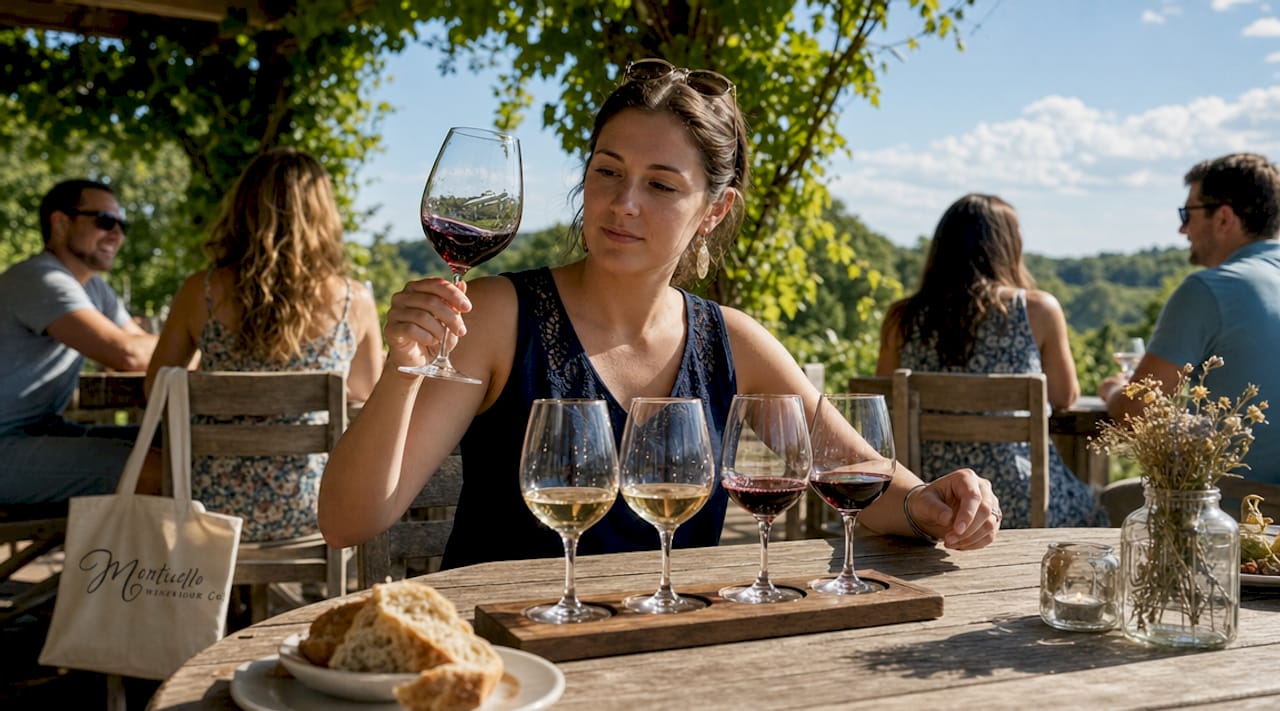
Why Virginia Wines Are Underrated: the Real Story
Virginia wines are among the most quality-driven yet consistently overlooked wine offerings in the United States. The state produces award-winning Viognier, Cabernet Franc, and Petit Verdot that compete directly with bottles from California and the Pacific Northwest, yet most American wine drinkers have never poured a glass. The reason why Virginia wines are underrated has nothing to do with what’s in the bottle. It has everything to do with how those bottles reach consumers, or more accurately, how rarely they do. Understanding that distinction changes how you shop, where you travel, and what you pour next.
Why Virginia wines are underrated in the U.S. market
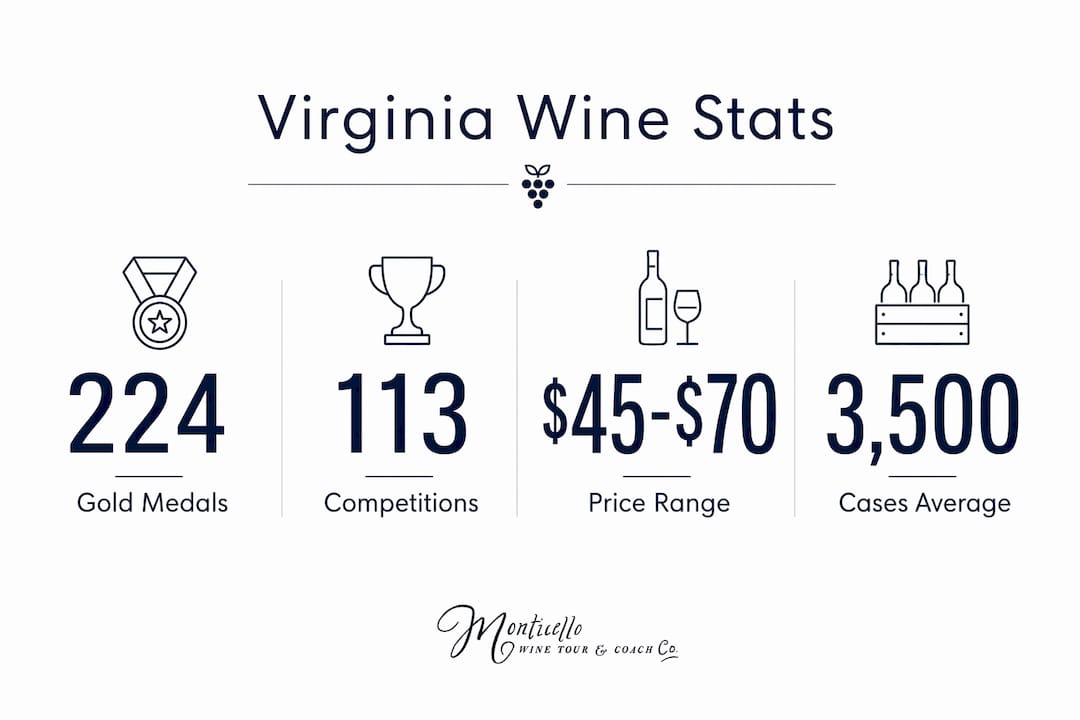
The core problem is structural, not qualitative. Most Virginia wineries produce under 3,500 cases per year, and premium bottles typically price between $45 and $70. That combination makes broad retail and restaurant distribution nearly impossible to sustain. A restaurant wine director choosing between a well-known Napa Cabernet at $38 wholesale and an unfamiliar Virginia red at $52 will almost always default to the recognizable label. Margin pressure and guest familiarity win every time.
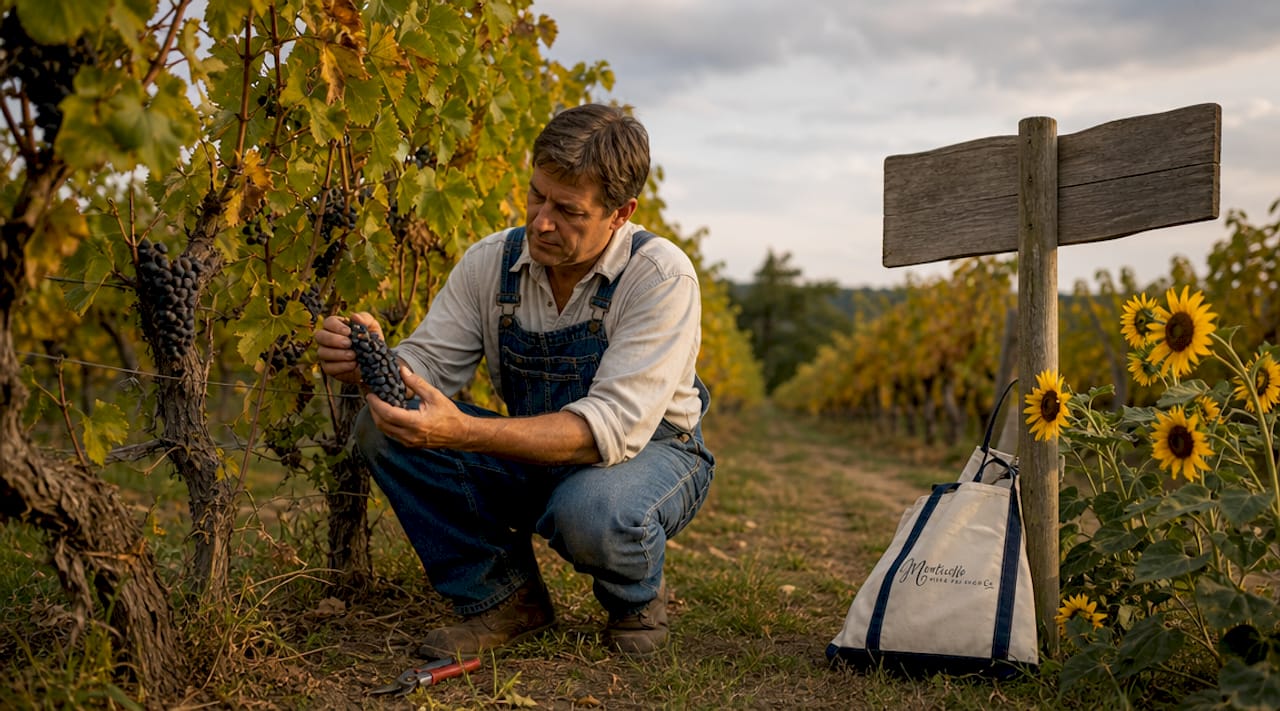
Virginia’s wine business model compounds the issue. Many family-owned wineries depend almost entirely on tasting room traffic and direct-to-consumer sales to stay profitable. That model works beautifully for visitors who make the trip to the Monticello Wine Trail or the Shenandoah Valley, but it creates an invisible ceiling on national awareness. A wine that never appears on a restaurant list in Chicago or a retail shelf in Atlanta simply does not exist for most consumers.
The three-tier distribution system adds another layer of friction. Virginia created the Virginia Winery Distribution Company as a cooperative wholesale distributor specifically to help small farm wineries navigate wholesale channels without absorbing the full cost of traditional distribution. It is a smart solution, but it serves a fraction of the state’s producers. The majority still rely on self-distribution within Virginia or direct shipping to states that permit it.
Here is what that means practically for Virginia wine reputation: the wines are not absent from the market because they are bad. They are absent because the economics of small-batch, premium production make wide distribution a financial risk most boutique producers cannot afford to take.
- Small production scale limits the volume needed to justify distributor relationships in distant markets.
- Premium pricing at $45 to $70 per bottle discourages restaurant buyers focused on accessible price points.
- Tasting room dependence concentrates sales geographically, limiting exposure to out-of-state consumers.
- Three-tier system complexity creates administrative and financial barriers for wineries producing fewer than 2,000 cases.
Pro Tip: When you spot a Virginia wine on a restaurant list, order it. That single purchase signals demand to the buyer and increases the likelihood they will reorder and expand their Virginia selection.
How does Virginia wine quality compare to other recognized regions?
Virginia wine quality is not a matter of potential. It is a matter of documented, blind-judged performance. The 2026 Virginia Governor’s Cup awarded 224 gold medals to 113 producers from 677 entries, with the gold threshold set at 90 points or above. That is not a participation trophy system. A 90-point blind score from a panel of certified judges places a wine in the same conversation as recognized bottles from Sonoma, the Willamette Valley, and the Finger Lakes.
The medal spread across varietals is equally telling. Virginia producers earned gold recognition across Viognier, Cabernet Franc, Merlot, Chardonnay, Petit Verdot, and Bordeaux-style blends. That breadth signals a wine region with genuine versatility, not a one-trick appellation built around a single grape. Award-winning producers are using coherent storytelling alongside those medals to shift the perception of Virginia wines from regional curiosity to serious contender.
“Understanding the agronomic choices and climatic adversity enriches appreciation for the distinctive Virginia wine styles rather than viewing them as derivative.” — Virginia wines: why more confident
The table below shows how Virginia’s competition results position the state against other recognized American wine regions in terms of blind-judged recognition.
| Region | Notable competition | Key varietals recognized |
|---|---|---|
| Virginia | Governor’s Cup, 224 gold medals in 2026 | Viognier, Cabernet Franc, Petit Verdot |
| Willamette Valley, Oregon | International Pinot Noir Celebration | Pinot Noir, Chardonnay |
| Finger Lakes, New York | New York Wine Classic | Riesling, Cabernet Franc |
| Paso Robles, California | San Francisco Chronicle Wine Competition | Zinfandel, Rhône blends |
Virginia holds its own in that company. The difference is not quality. It is decades of brand-building, tourism infrastructure, and national media coverage that those other regions have accumulated and Virginia is still developing.
How Virginia’s humid climate makes its wines shine
Virginia’s climate is genuinely difficult for viticulture. High humidity, unpredictable summer storms, and the threat of late-season rot require a level of vineyard management that California and the Pacific Northwest rarely demand. That difficulty, however, is precisely what shapes Virginia’s distinctive wine styles. Producers who master the conditions produce wines with a freshness and structural lift that warmer, drier regions simply cannot replicate.
The stylistic result is wines with preserved natural acidity, moderate alcohol levels, and a sense of energy in the glass. A Virginia Viognier from Albemarle County does not taste like an over-ripe, flabby version of the grape. It tastes like the variety is supposed to taste: aromatic, bright, and alive. That profile appeals directly to wine enthusiasts who have grown tired of the high-alcohol, low-acid style that dominated American wine for two decades.
Here is how Virginia producers achieve that style in practice:
- Site selection. Vineyards are planted on east and southeast-facing slopes to maximize morning sun and afternoon airflow, reducing humidity-driven disease pressure.
- Canopy management. Aggressive shoot positioning and leaf removal open the vine canopy to light and air, a labor-intensive practice that directly improves fruit quality and reduces rot risk.
- Harvest timing. Producers pick earlier than their California counterparts to lock in acidity and keep alcohol below 13.5%, a deliberate choice that defines the Virginia style.
- Varietal selection. Grapes like Viognier, Petit Verdot, and Cabernet Franc are better suited to Virginia’s conditions than Cabernet Sauvignon, and the best producers have leaned into that reality rather than chasing California benchmarks.
Pro Tip: When reading Virginia wine reviews, look for tasting notes that mention “lifted aromatics,” “bright acidity,” or “moderate alcohol.” Those phrases signal a producer who has mastered the climate rather than fought it.
The adaptive vineyard management required in Virginia is not a compromise. It is a craft. Casual wine drinkers may not recognize the effort behind a well-balanced Virginia Cabernet Franc, but enthusiasts who understand what the climate demands will find that knowledge deepens every sip.
What practical steps help you discover the best Virginia wines
The most direct path to Virginia wines runs through the tasting room. No wine list, retailer, or online description replaces the experience of tasting with a knowledgeable pour and a view of the vineyard behind the glass. Visiting Virginia wineries directly gives you access to library releases, barrel samples, and winemaker conversations that never reach the open market.
Outside of tasting room visits, here are the most effective ways to find and appreciate Virginia wines:
- Search restaurant lists in DC and Northern Virginia. Virginia Wine Coalition research shows purchase intent rises significantly when wines are presented by the glass with clear style descriptions in DC and Northern Virginia venues. Those markets carry more Virginia selections than anywhere else in the country.
- Use Governor’s Cup gold medals as a buying guide. The 2026 list of 224 gold medal winners from 113 producers is publicly available and functions as a curated shortlist of the state’s best current releases.
- Join a Virginia winery wine club. Most clubs offer quarterly shipments, early access to limited releases, and member-only events that are impossible to replicate through retail.
- Explore Virginia vineyard clusters by region. The Monticello AVA around Charlottesville, the Shenandoah Valley AVA, and the Northern Neck George Washington Birthplace AVA each produce distinct styles worth comparing side by side.
- Follow Virginia-focused wine communities online. Groups on platforms like Reddit’s r/wine and dedicated Virginia wine blogs regularly surface new releases, tasting notes, and winery news that national publications miss.
Restaurant visibility and context significantly increase purchase intent and lead to deeper consumer engagement over time. That means every by-the-glass encounter with a Virginia wine is a potential turning point in how you think about the region.
Key takeaways
Virginia wines are underrated because of distribution economics and limited visibility, not because of any deficit in quality or character.
| Point | Details |
|---|---|
| Quality is documented | The 2026 Governor’s Cup awarded 224 gold medals across 113 producers using blind judging at 90+ points. |
| Distribution is the barrier | Most Virginia wineries produce under 3,500 cases per year, making broad national distribution financially impractical. |
| Climate creates distinction | Humidity and variable weather drive producers toward fresher, lower-alcohol styles that stand apart from California benchmarks. |
| Tasting rooms are the gateway | Direct-to-consumer visits and tasting room experiences remain the most reliable way to access Virginia’s best wines. |
| Visibility drives loyalty | Encountering Virginia wines by the glass in restaurants significantly increases purchase intent and long-term consumer engagement. |
Virginia wine’s trajectory: what I actually think
I have spent years watching visitors climb into our Mercedes Sprinters with zero expectations about Virginia wine and step out of the last winery completely converted. That pattern is not an accident. It is what happens when you remove the friction between a curious drinker and a genuinely good glass of wine.
The honest truth is that Virginia’s underrated status is partly self-inflicted. Too many producers have been content to sell out through their tasting rooms without investing in the storytelling and selective distribution that builds a regional identity beyond state lines. The wineries that are winning nationally, the ones earning those Governor’s Cup golds and landing on DC wine lists, are the ones treating their brand as seriously as their viticulture.
I am genuinely optimistic about where this goes. The direct-to-consumer model that once felt like a limitation is now a competitive advantage in a market where consumers want connection and provenance. Virginia producers who combine tasting room excellence with intentional off-premise placement in key markets like Washington DC, Richmond, and Charlottesville are building the kind of loyal following that sustains a wine region for generations.
The enthusiasts who discover Virginia wines now, before the broader market catches up, are in the same position as the people who found Willamette Valley Pinot Noir in the 1990s. The quality is already there. The recognition is coming.
— M
Explore Virginia wine country with Monticellowinetour
Virginia’s best wines are not found on supermarket shelves. They are poured at the source, in tasting rooms surrounded by the same Blue Ridge views that shaped what’s in the glass. Monticellowinetour makes that experience effortless. We transport you and your group in a private Mercedes Sprinter or Chevrolet Suburban, handling every detail from pickup to drop-off so you can focus entirely on the wine.
Our private wine tours are fully customized around your preferences, whether you want to focus on the Monticello AVA’s Viognier producers, explore the Shenandoah Valley, or combine both in a single day. Use our tour itinerary map to start planning your route, or let our team build the day for you. This is Virginia wine tourism done right.
FAQ
Why are Virginia wines so hard to find outside Virginia?
Most Virginia wineries produce under 3,500 cases per year and price bottles between $45 and $70, making broad national distribution economically difficult. The majority of sales happen through tasting rooms and direct-to-consumer channels within the state.
What grape varieties does Virginia do best?
Virginia produces its most distinctive wines from Viognier, Cabernet Franc, and Petit Verdot. These varietals adapt well to the state’s humid climate and consistently earn gold medals in blind-judged competitions like the Governor’s Cup.
Are Virginia wines worth the price?
Virginia wines at $45 to $70 per bottle compete directly with similarly priced wines from recognized American regions based on blind-judged scores. The 2026 Governor’s Cup awarded 224 gold medals at the 90-point threshold, confirming that the price reflects genuine quality.
What is the best Virginia wine region to visit?
The Monticello AVA around Charlottesville is the most established Virginia wine region, with the highest concentration of award-winning producers and tasting room experiences. The Shenandoah Valley AVA offers a distinct style with excellent mountain-view settings worth exploring as a second stop.
How do I find Virginia wine reviews and recommendations?
The Virginia Governor’s Cup gold medal list is the most reliable public resource for identifying top producers each year. DC-area restaurant wine lists and Virginia-focused online communities also surface current releases and tasting notes that national publications rarely cover.