
Safe Wine Tour Transportation Tips for a Perfect Day
June 5, 2026
What are the safest transportation options for wine tours?
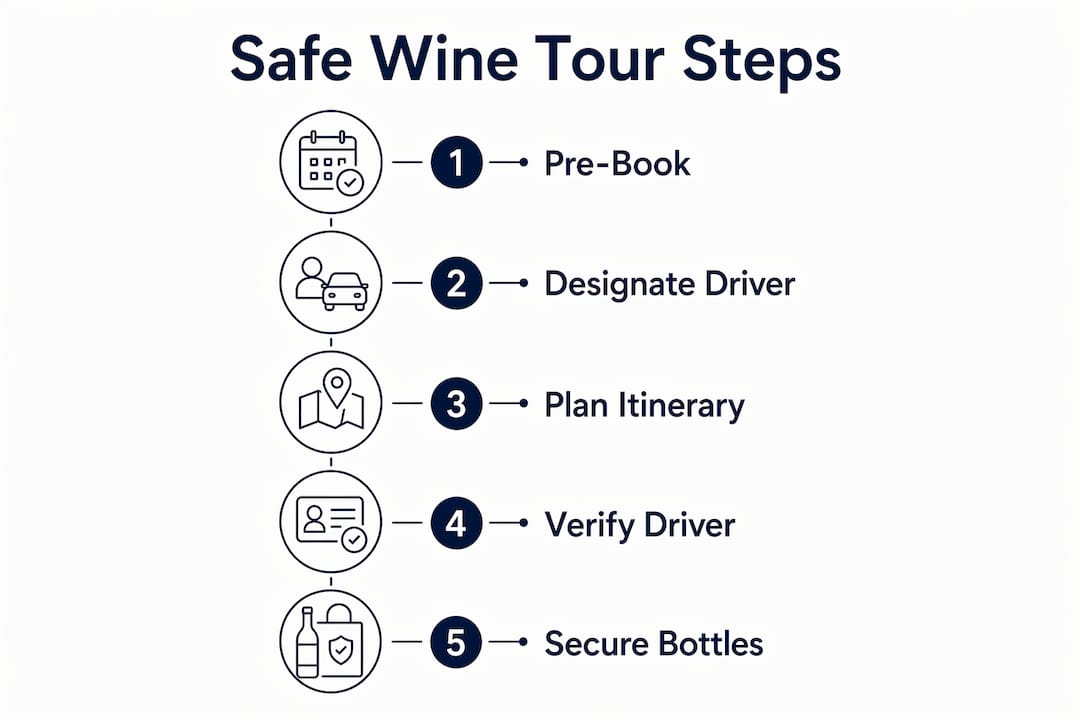
The safest approach to wine tour transportation is a pre-arranged, sober driver or a professional chauffeur service. MADD advises planning a safe ride home before the day begins, not at the end of it when judgment is already compromised. That advice applies directly to wine tours, where multiple tastings across several wineries can add up faster than most people expect.
Your main options for secure wine tour transport fall into three categories:
- Designated sober driver: One person in your group agrees before the first pour to stay completely sober for the day. This works well for smaller groups with a willing volunteer.
- Professional chauffeur or private driver: A licensed driver handles all transportation while your group focuses entirely on the experience. Services like Monticellowinetour use Mercedes Sprinters and Chevrolet Suburbans, which means your group travels in comfort without anyone sacrificing their day.
- Shuttle or group tour service: Structured tours with a set itinerary and a professional driver. These work especially well for larger groups or first-time visitors unfamiliar with the region.
AAA recommends making the designated driver role a clear, group-supported plan rather than a last-minute ask. When the decision is made early and the whole group commits, no one feels pressured to drink less or drive more. The driver gets covered for gas, food, and non-alcoholic drinks as a show of appreciation. That small gesture makes the arrangement feel fair and keeps the group dynamic positive.
Pro Tip: Book professional transportation at the same time you make your winery reservations. Popular operators fill up fast on weekends, and waiting until the week before often means you’re left without a reliable option.
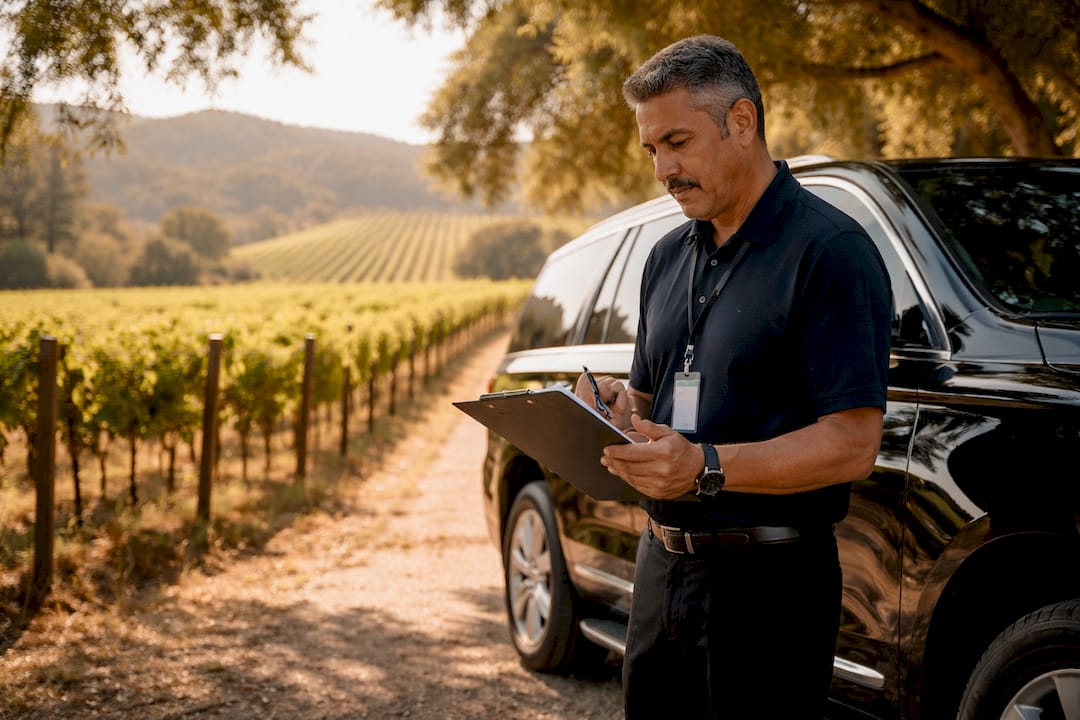
If you go the professional route, always verify the driver’s identity and confirm vehicle details before you get in. Reputable services provide this information upfront. It takes 30 seconds and removes any ambiguity about who is picking you up.
How should you plan your wine tour itinerary for safety?
A well-timed itinerary is one of the most underrated wine tour safety tips, and most people skip it entirely. Adding 15 minutes of buffer per winery stop and 10 to 15 minutes per transfer between locations prevents the kind of rushing that leads to poor decisions. When you’re not racing the clock, your driver isn’t pressured to speed, and your group isn’t stressed between stops.
Here’s a practical framework for building a safe, relaxed itinerary:
- Choose 3 to 4 wineries maximum. Experienced insiders recommend fewer stops with more time at each. Trying to squeeze in six wineries in one day creates end-of-day scrambling and increases the risk of over-tasting.
- Schedule a proper lunch break. Place it between your second and third stop. Food slows alcohol absorption and keeps energy levels steady throughout the afternoon.
- Build in transfer buffers. Allow 10 to 15 minutes between each winery for travel, parking, and getting settled. Rural wine country roads are rarely fast.
- Set a firm end time. Decide in advance when the day wraps up. This prevents the “one more stop” creep that leaves everyone tired and the driver navigating unfamiliar roads after dark.
- Hydrate between tastings. Carry a refillable water bottle and drink a full glass between each winery. It makes a measurable difference in how you feel by the last stop.
Pro Tip: Use the itinerary planning map from Monticellowinetour to visualize your route and spacing before you finalize reservations. Seeing the geography helps you spot unrealistic timing before it becomes a problem on the day.
| Itinerary element | Recommended approach |
|---|---|
| Number of wineries | 3 to 4 stops for a relaxed pace |
| Buffer per stop | 15 minutes beyond the tasting itself |
| Transfer time | 10 to 15 minutes between locations |
| Lunch break | Scheduled between stop 2 and stop 3 |
| End time | Set in advance and communicated to your driver |
Time buffers between stops also reduce pressure on drivers and improve the overall mood of the group. A relaxed pace is not just more enjoyable. It is genuinely safer.
How do you transport wine purchases safely during a tour?
Protecting the bottles you buy is a practical part of wine tour travel safety that most guides overlook. Insulated wine totes and cooler bags protect bottles from heat damage and breakage during long days in the car. Heat is the primary enemy of wine quality, and a bottle left in a hot trunk for two hours can be noticeably affected.
Here is how to handle your wine purchases throughout the day:
- Use an insulated tote or soft-sided cooler. These are lightweight, packable, and protect against both temperature swings and impact. Brands like Vinotemp and PackIt make purpose-built wine carriers that hold two to six bottles securely.
- Store bottles in the vehicle trunk or a dedicated compartment. Keep them away from direct sunlight and out of the passenger cabin where temperature fluctuates more.
- Check winery policies before bringing bags inside. Some tasting rooms ask that you leave coolers in your vehicle. Knowing this in advance saves awkward moments at the door.
- Consider shipping directly from the winery. Many wineries offer direct-to-consumer shipping. For large purchases, this is often the most practical and safest option, especially if you’re flying home.
- Pack light overall. Leoness Cellars recommends bringing sunscreen, a refillable water bottle, your ID, and a small bag rather than a heavy tote. Carrying less between stops makes the day more comfortable for everyone.
| Transport method | Best for | Limitation |
|---|---|---|
| Insulated wine tote | 1 to 6 bottles, same-day travel | Requires space in vehicle |
| Trunk cooler | Larger purchases, multi-stop tours | Must verify vehicle has adequate space |
| Direct winery shipping | Large orders, air travelers | Availability varies by state law |
| Checked luggage with padding | Flying with 1 to 2 bottles | Risk of breakage without hard case |
When you’re traveling with a professional service like Monticellowinetour, the Mercedes Sprinters and Chevrolet Suburbans provide ample cargo space for your purchases. You don’t have to worry about cramming bottles between people or leaving them exposed on a back seat.
What should you do when rideshares or public transit aren’t reliable?
Rideshare availability in rural wine country is genuinely unreliable, and this catches a lot of visitors off guard. In many wine regions, there are no public transit options at all, and rideshare wait times on busy weekends can stretch to 45 minutes or more. Counting on Uber or Lyft as your backup plan in Charlottesville’s wine country is a real risk.
Here is what actually works when standard options fall short:
- Book a dedicated shuttle or private driver in advance. This is the most reliable fallback. Operators fill up quickly on weekends, so booking at least two to three weeks ahead is standard practice during peak season.
- Confirm your reservation the day before. A quick call or text to your transportation provider the morning before your tour eliminates last-minute surprises.
- Ask your hotel concierge for local recommendations. Many hotels in wine regions maintain relationships with local drivers and tour operators. This is an underused resource that often surfaces options not listed online.
- Look into specialized wine tour operators. Companies focused specifically on wine country transportation understand the logistics, the winery schedules, and the roads. They are a more reliable choice than general rideshare platforms in rural areas.
- Have a backup contact saved. Even with a confirmed booking, keep the number of a second local transportation provider on hand. Rural areas can have unexpected issues, and having a fallback takes two minutes to arrange in advance.
The core principle here is simple: treat transportation for wine tours the same way you treat winery reservations. You would not show up at a tasting room without a reservation on a Saturday in October. Apply the same logic to your ride.
Key takeaways
Safe wine tour transportation requires pre-arranged, sober driving or professional service, a timed itinerary with built-in buffers, and proper handling of wine purchases from the first stop to the last.
| Point | Details |
|---|---|
| Designate transport before tasting | Arrange a sober driver or professional service before your first pour, not after. |
| Build itinerary buffers | Add 15 minutes per stop and 10 to 15 minutes per transfer to prevent rushing. |
| Limit winery stops | Plan 3 to 4 wineries maximum for a relaxed, safe pace throughout the day. |
| Protect wine purchases | Use insulated totes, trunk storage, or direct winery shipping to prevent heat damage. |
| Book early and confirm | Reserve transportation at the same time as winery reservations and confirm the day before. |
Why transport planning is the part most people get wrong
Most wine tour mistakes I’ve seen come down to one thing: people plan the wine and forget the logistics. They spend weeks researching vineyards, booking tastings, and reading tasting notes, then figure they’ll sort out the ride on the day. That’s where things go sideways.
The groups that have the best days are the ones who treated transportation as the first decision, not the last. When you know your driver is confirmed, your route is mapped, and your timing has breathing room, the whole experience shifts. You’re not watching the clock or calculating who’s had how much. You’re just enjoying the wine.
I’ve also noticed that timing buffers do something unexpected to group dynamics. When there’s no pressure to rush, people linger, ask better questions at the tasting bar, and actually connect with the winemakers. That’s the experience you came for. Rushing between stops strips all of that out.
The other mistake I see regularly is underestimating how quickly rural rideshare options disappear on a busy Saturday. One group I know spent 90 minutes waiting for a car outside a winery in the afternoon heat because they assumed their phones would solve the problem. A confirmed booking with a professional service costs less stress than that situation is worth.
Safety and enjoyment are not competing priorities on a wine tour. They reinforce each other. When your transportation is handled, you can be fully present for the rest of the day.
— M
Plan your Charlottesville wine tour with Monticellowinetour
If you want a day where transportation is completely handled, Monticellowinetour offers private wine and brewery tours in the Charlottesville area with professional drivers, Mercedes Sprinters, and Chevrolet Suburbans. You choose the wineries, set the pace, and let a professional handle the rest.
Every tour includes itinerary planning support, so you’re not building your schedule from scratch. The team at Monticellowinetour knows the local vineyards, the road conditions, and how to structure a day that feels relaxed rather than rushed. Booking is straightforward, and the experience is designed for groups who want quality without the stress of coordinating their own transportation. Visit Monticellowinetour to check availability and start planning your tour.
FAQ
What is the safest transportation option for a wine tour?
The safest option is a pre-booked professional driver or shuttle service arranged before the tour begins. MADD and AAA both recommend planning your sober ride home in advance rather than making that decision after tasting.
How many wineries should you visit in one day?
Three to four wineries is the recommended number for a safe, enjoyable pace. Visiting more than four creates time pressure that increases stress and reduces the quality of each stop.
Can you rely on rideshares for wine tour transportation?
Rideshares are unreliable in rural wine country, especially on busy weekends when wait times can exceed 45 minutes. Booking a dedicated private driver or shuttle in advance is a far more dependable choice.
How do you keep wine bottles safe during a tour?
Use insulated wine totes or soft-sided coolers and store bottles in the vehicle trunk away from direct sunlight. For larger purchases, ask the winery about direct shipping to your home address.
When should you book transportation for a wine tour?
Book transportation at the same time you make your winery reservations, ideally two to three weeks ahead during peak season. Confirm your booking the day before to avoid last-minute gaps.